There is an old idea Kenneth “Skinny” Melton carries with him: farmers are the first artists.
It suits him.
Before he became the farmer behind Lowland Farms, Skinny studied English at the College of Charleston. Then the work moved from words to soil. He spent years farming the Sea Islands, including tomatoes and truck crops on Wadmalaw Island, before his family established Lowland Farms on Johns Island in 2011.
From words to soil
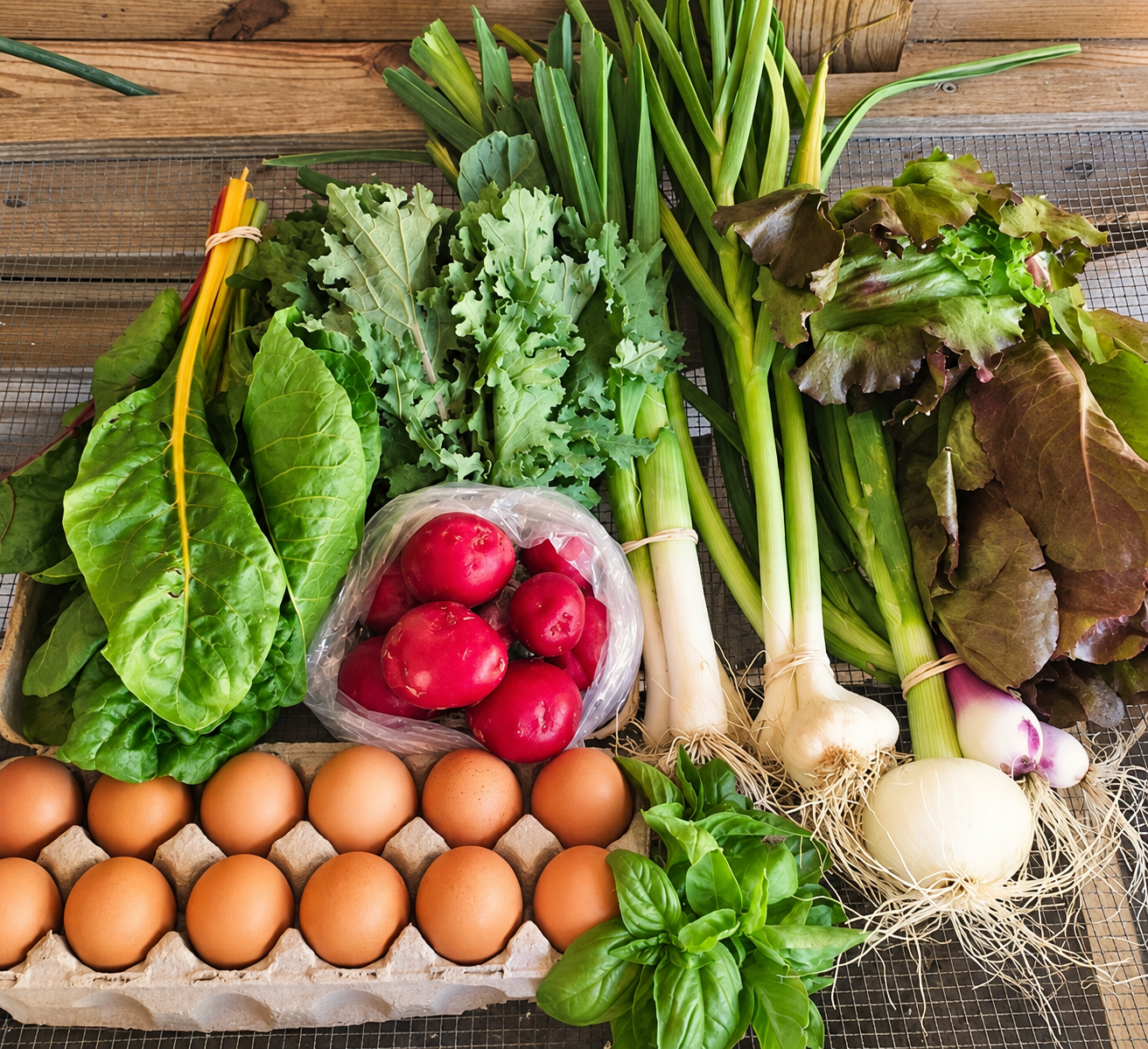
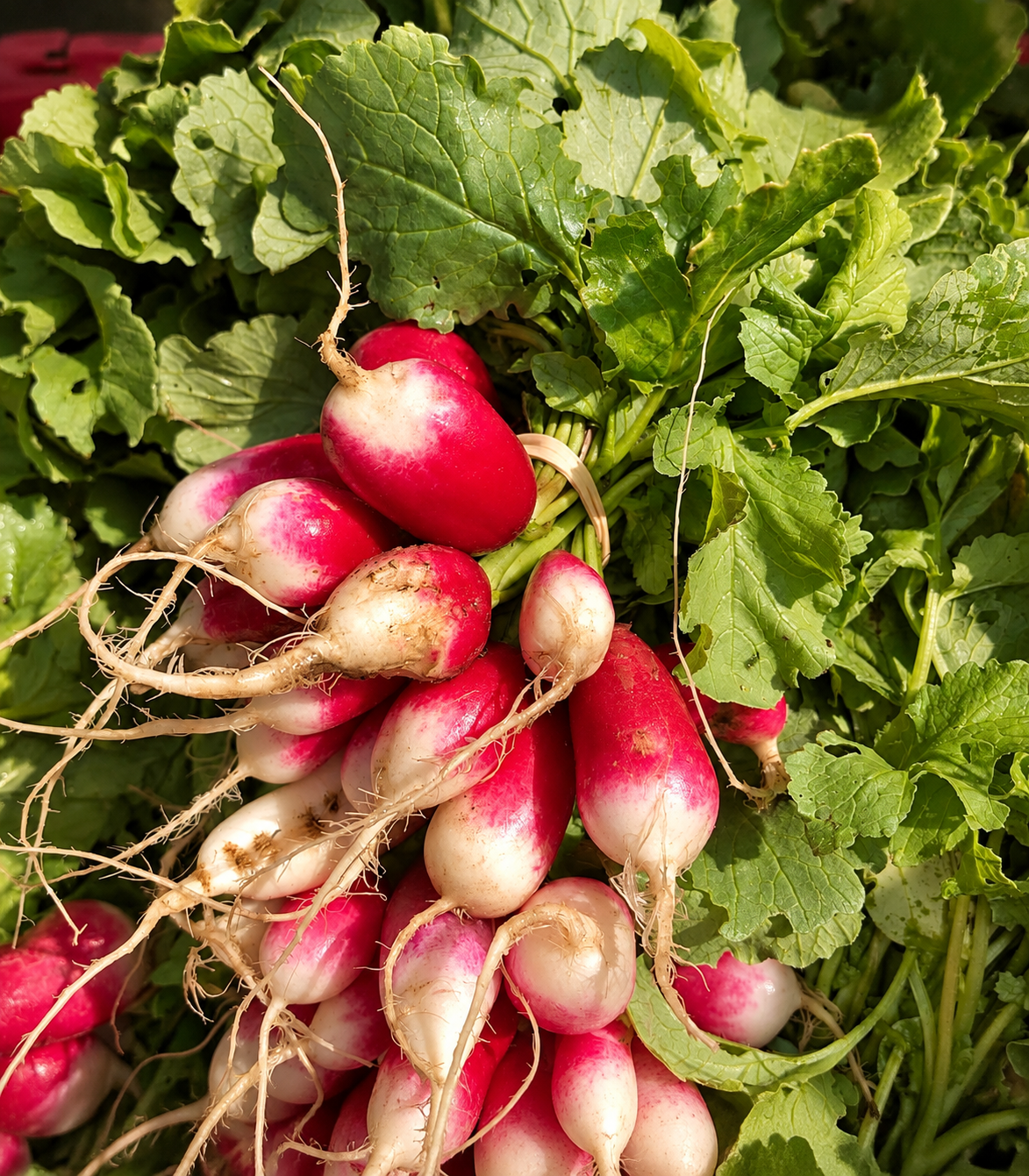
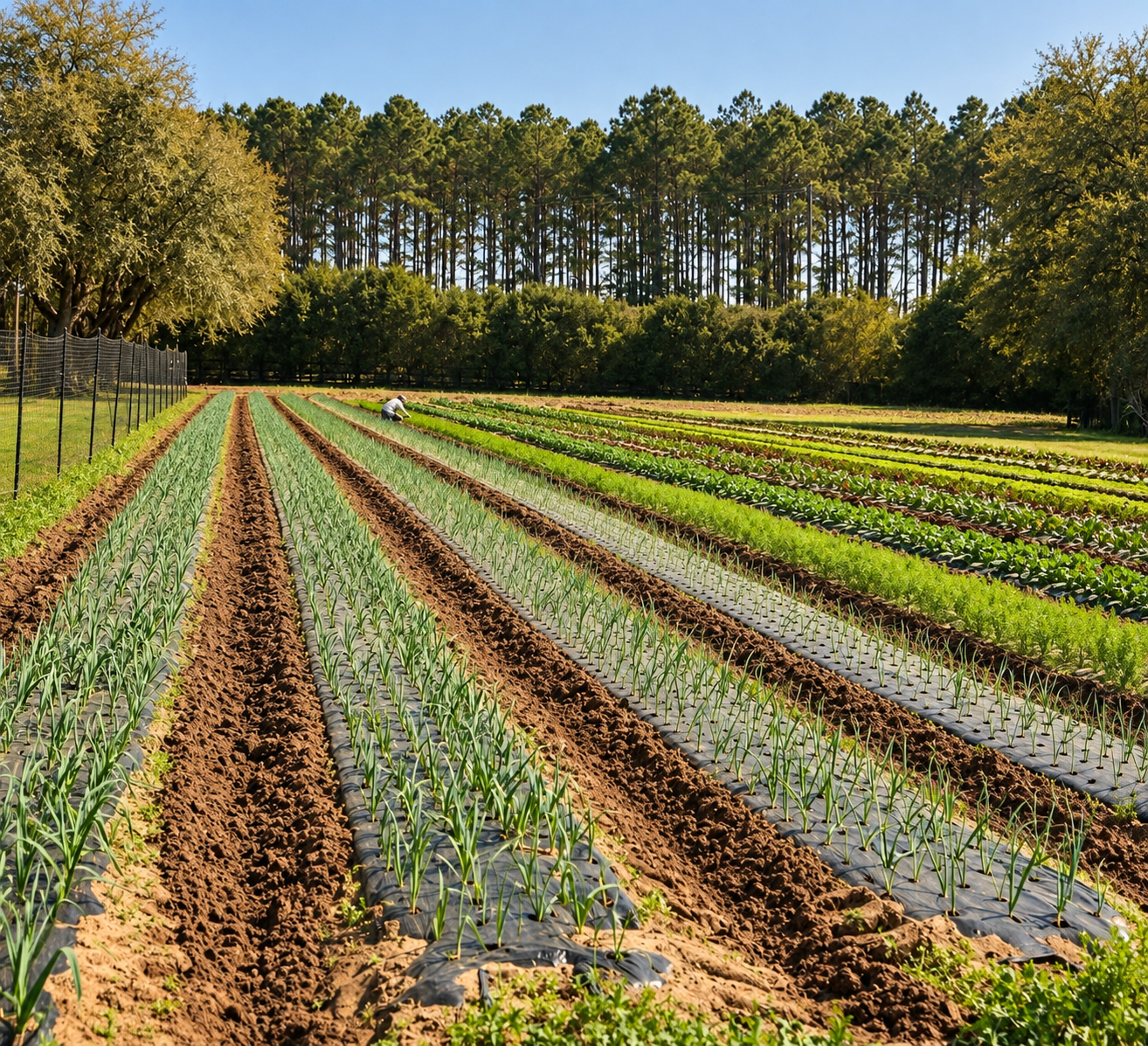
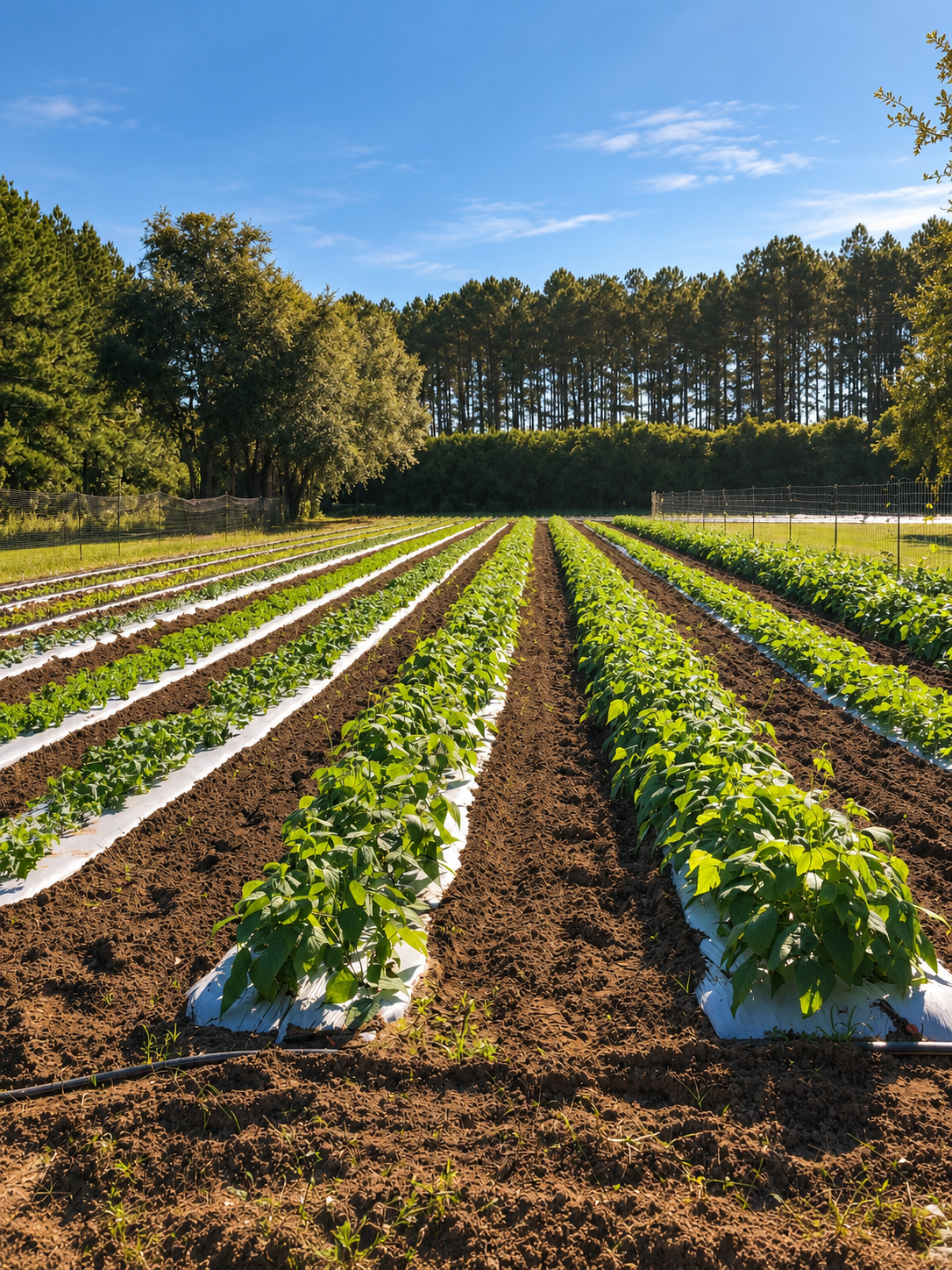
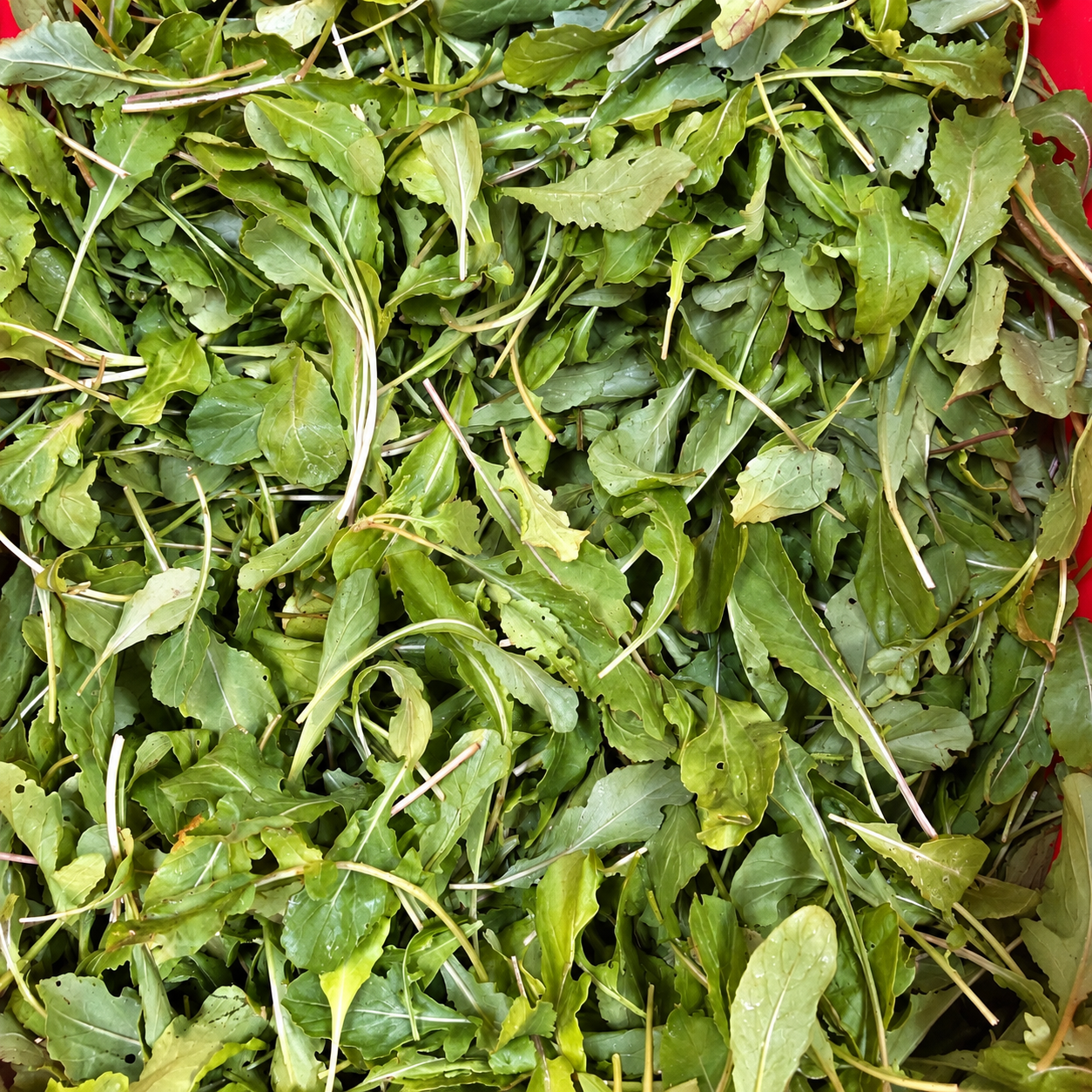
Today, the 14-acre family farm grows a changing palette of heirloom lettuces, tomatoes, peppers, potatoes, beans, herbs, flowers and more, alongside fresh eggs. The varieties matter. Skinny has long been drawn to heirloom and uncommon seeds—the kinds chosen for flavor, character and history rather than simply uniformity or yield.
But the deeper story of Lowland Farms is why they grow the way they do.
Skinny’s children eat from these fields. Years ago, when asked why he farmed with organic and sustainable methods, his answer came back to family: he did not want to spray something on the farm that he would not want around his own children. That philosophy is still reflected in Lowland Farms’ approach today. The farm says it avoids synthetic pesticides and fertilizers and uses crop rotation and cover crops to build the soil for the seasons still to come.
A family farm, literally
Lowland Farms is not “family farm” as a marketing phrase. Skinny’s parents, Kevin and Debbie Melton, are co-owners. Kevin brings an engineer’s mind to farm infrastructure and improvements. Debbie, a retired nurse, has helped with vegetables, flowers, deliveries and the countless jobs required to keep a farm moving. Skinny’s children have grown up around the work, too.
Small farming takes cooperation
Over the years, Lowland Farms’ food has traveled from River Road into CSA boxes, family kitchens and some of Charleston’s best-known restaurants. Yet one of the most revealing images of the farm is not glamorous at all: Skinny once described making restaurant deliveries downtown in a minivan with one of his children in the back, competing for unloading space with much larger produce trucks.
That is small farming stripped of the romance. Grow the food. Harvest it. Wash it. Pack it. Find a buyer. Deliver it. Then get back to the field and start again.
So Skinny and neighboring Johns Island growers began helping one another with deliveries, orders, seed purchases and crops when someone came up short. He jokingly called their loose arrangement an “uncooperative cooperative.” Underneath the joke was something serious: independent farms can stay independent because farmers find ways to help one another survive.
Why Lowland Farms matters
More than a decade after its first seasons, that may be the clearest way to understand Lowland Farms. It is not simply a place to buy vegetables. It is a family tending a piece of Johns Island carefully enough that it can keep producing food tomorrow, preserving unusual varieties worth growing and keeping local food connected to the people who raise it.
For Lowland Farms, supporting a local farm is ultimately about more than what is in the bag. It is about keeping the people, land, knowledge and relationships behind that food alive.